


Published on: 01/27/2026


Description
ALBANY, Ga. (WALB) - Artificial food dyes, primarily petroleum-derived, are found in many items that we eat on a daily basis, like candy, snacks, and drinks.
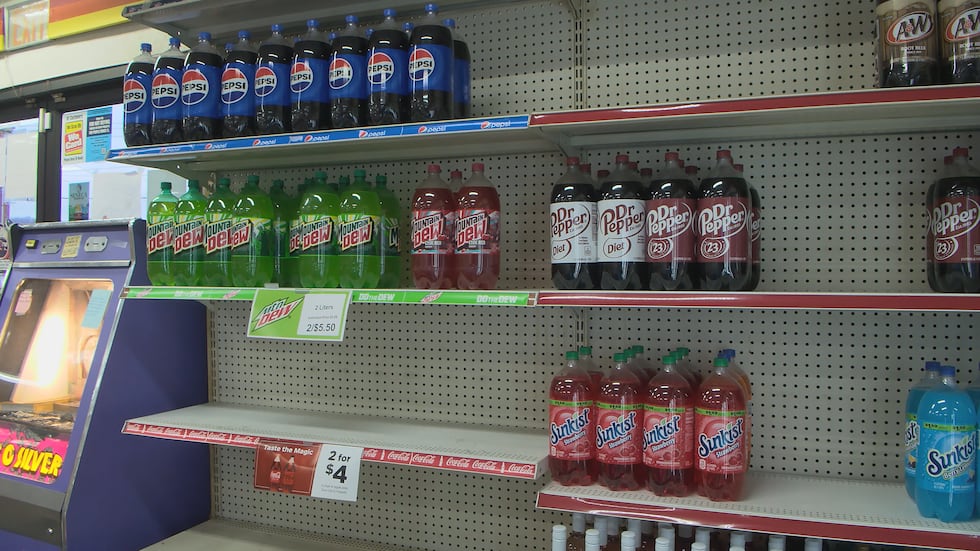
These food dyes are used to enhance visual appeal, compensate for color loss due to processing or shortage, correct natural variations, and provide color to foods that are typically colorless.
Below is a list of common synthetic food dyes approved by the FDA (Food and Drug Administration):
- FD&C Blue No. 1
- Confections, beverages, cereals, frozen dairy desserts, popsicles, frostings & icings
- FD&C Blue No. 2
- Baked goods, cereals, snack foods, ice cream, confections, and yogurt
- FD&C Green No. 3
- Cereal, ice cream, sherbet, drink mixers, and baked goods
- Orange B
- Only approved for use in hot dog and sausage casings
- Citrus Red No. 2
- Only approved for use to color orange peels
- FD&C Red No. 40
- Cereal, beverages, gelatins, puddings, dairy products, and confections
- FD&C Yellow No. 5
- Confections, cereals, snack foods, beverages, condiments, baked goods, and yogurt
- FD&C Yellow No. 6
- Cereals, snack foods, baked goods, gelatins, beverages, dessert powders, crackers, and sauces
The FDA has specific criteria set in place in order to evaluate the safety of a color additive. The FDA says the following statement regarding several factors that deem a color additive safe:
“These include the short and long-term effects of consumption, composition and properties, manufacturing process, stability, likely amount of consumption/exposure, and the availability of analytical methods for determining its purity and the amount in food.”
Synthetic color additives undergo a separate process. The FDA states that synthetic color additives are “required to undergo batch certification, a process in which the FDA analyzes a representative sample of each batch of the color additive to ensure it meets the required identity and specifications before it can be used. Before certifying a batch, the FDA analyzes the chemical composition.”
Health problems among children
An article from Ohio State University explains that children and teens are most likely to react to food dyes include individuals with the following diagnoses:

- ADHD — Food dyes can make ADHD symptoms worse.
- Oppositional defiant disorder — Children who have a pattern of being angry, irritable, and defying parents and other people in authority can experience more of those behaviors after having food or drinks with artificial dyes.
- Anxiety — Bacteria in your gut can affect your mood and anxiety, and food dyes could affect how bacteria in the gut function, making anxiety worse.
Health problems among adults
Artificial dyes have been linked to a number of possible health problems, according to Henry Ford Health. Those health problems include:
- Allergies
- Cancer
- Inflammation of the colon and colorectal health problems
- DNA damage
- Behavioral changes

How to limit food dyes
Making simple changes in your diet could help you to limit your intake of artificial dyes. Below you can find some tips and tricks on how to stay healthy:
- Read labels- Food dyes are listed in the ingredients list on food labels
- Avoid processed foods- processed foods are packed with artificial flavors and artificial dyes
- Look for alternatives- All-natural companies or items labeled “organic” tend to have less, if not any, artificial dyes
- Cook/bake at home more- While preparing food at home, you have control over what goes into your food. If you are preparing food and you need color, you can use something like a very pigmented fruit as an example
For more information, you can visit the FDA website.
Have a news tip or see an error that needs correction? Let us know. Please include the article’s headline in your message.
To stay up to date on all the latest news as it develops, follow WALB on Facebook and X (Twitter). For more South Georgia news, download the WALB News app from the Apple Store or Google Play.
Copyright 2026 WALB. All rights reserved.
News Source : https://www.walb.com/2026/01/26/artificial-food-dyes-are-they-linked-health-problems-among-children-adults/
Other Related News
01/27/2026
ALBANY Ga WALB -A proposal to expand life-saving overdose response resources across Doughe...
01/27/2026
ALBANY Ga WALB - The Albany Police Department released a statement on their Facebook page ...
01/27/2026
SUMTER COUNTY Ga WALB - Due to extreme weather and potentially hazardous road conditions S...
01/27/2026
BAINBRIDGE Ga WALB - A Bainbridge mother is asking for community support as her 6-year-old...
01/27/2026
ALBANY Ga WALB - Warming centers are opening across South Georgia as extreme cold weather ...

Follow

Download Our App


Copyright 2022 © Albany Metro Community. All Rights Reserved