


Published on: 01/23/2026


Description
WALB is working to produce a video for this story. In the meantime, we encourage you to watch our livestream.
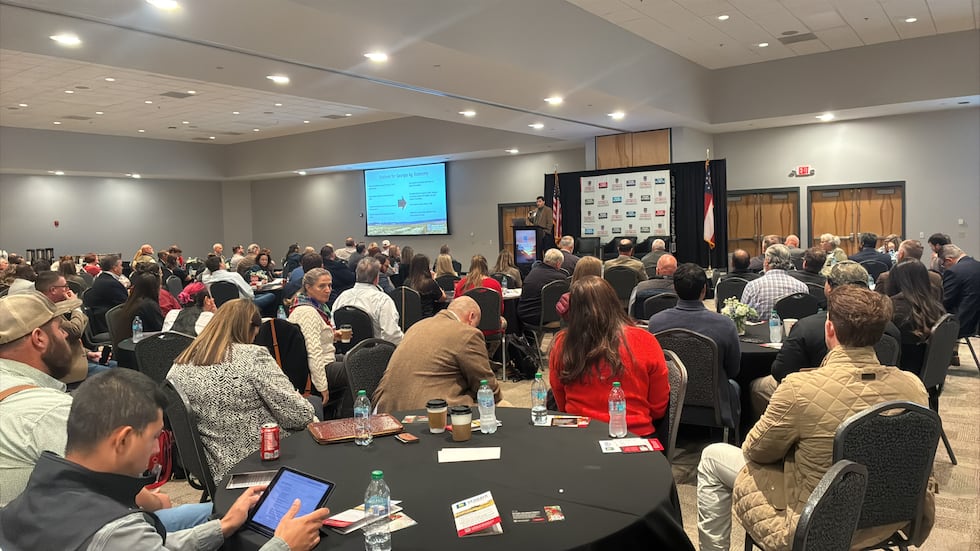
GEROGIA, (WALB) - Georgia’s farmers are heading into 2026 facing higher costs, tight profit margins, and an uncertain economy. Experts say consumers will likely feel the ripple effects at the grocery store.
The latest Georgia agriculture forecast points to a second straight year of slow economic growth nationwide, driven largely by trade tensions, labor shortages tied to immigration policy, and a high risk of recession. While inflation is expected to continue easing toward the Federal Reserve’s 2% target, many everyday food prices may remain stubbornly high due to rising production costs on farms.
Higher costs on the farm, pressure at the checkout
Across the country, farm production expenses climbed again in 2025, fueled by higher labor, feed, and livestock input costs. Those pressures are expected to continue into 2026, even as some expenses like fuel and interest rates slowly ease.
For consumers, that means lower inflation doesn’t automatically translate to cheaper groceries.
In Georgia, the outlook is mixed:
- Animal products like beef, poultry, and dairy are generally expected to remain strong, with tight supplies supporting higher prices.
- Major crops such as corn, soybeans, wheat, peanuts, and cotton face weaker prices, largely due to oversupply and rising costs.
Farmers facing thin or negative margins often have little choice but to pass some of those costs along the supply chain.
Beef stays expensive, poultry steadies
Beef prices are expected to remain high in 2026 due to tight cattle supplies. While inventories may be stabilizing, experts say a major expansion is still years away. Any softening in consumer demand especially as household budgets tighten could quickly shift the market.
Poultry, a staple protein for many Georgia families, is expected to see more balance in supply and demand next year. That could help keep prices relatively stable compared to beef.
Dairy prices face headwinds as production outpaces demand, but new local processing facilities in Georgia could offer support for producers—and potentially more local options for consumers.
Produce prices remain “noisy”
Vegetables, fruits, and nuts especially Georgia staples like blueberries and pecans—are expected to remain strong overall, though prices may fluctuate.
Experts say improved farming practices and research are helping boost yields, which can help control prices. Even so, vegetable prices are expected to remain unpredictable, and consumer price indexes are projected to stay elevated through 2026.
The good news: after a dip in vegetable consumption in recent years, demand is expected to rebound, which could support both growers and retailers.
Why this matters to everyday shoppers
Even if you never step foot on a farm, agriculture plays a direct role in:
- How much you pay for groceries
- What products are available
- Whether local food remains affordable
Higher labor costs, tighter farm margins, and global competition all shape what ends up on store shelves. At the same time, direct-to-consumer sales, like farmers markets and local food programs continue to grow, with shoppers prioritizing freshness, sustainability, and supporting local farmers.
Experts say younger consumers are especially drawn to locally sourced food, while older shoppers focus on reliability and quality trends that are shaping how food is marketed and sold across Georgia.
Looking ahead
While Georgia’s economy is expected to roughly match the national pace of growth, uncertainty remains high. Farm programs and disaster assistance will play a critical role in keeping many producers afloat in 2026.
For consumers, the takeaway is simple:
- Lower inflation doesn’t necessarily mean lower food prices.
- What farmers face today often shows up in your grocery cart tomorrow.
Have a news tip or see an error that needs correction? Let us know. Please include the article’s headline in your message.
To stay up to date on all the latest news as it develops, follow WALB on Facebook and X (Twitter). For more South Georgia news, download the WALB News app from the Apple Store or Google Play.
Copyright 2026 WALB. All rights reserved.
News Source : https://www.walb.com/2026/01/23/your-grocery-bill-may-stay-high-this-year-even-inflation-slows/
Other Related News
01/23/2026
LEE COUNTY Ga WALB - The Lee County Sheriffs Office conducted its first Joint Operations D...
01/23/2026
GEORGIA WALB - A state of emergency has been issued for all of Georgia ahead of possible w...
01/23/2026
GRADY COUTNY Ga WALB - The Grady County Sheriffs Office working alongside the US Marshals ...
01/23/2026
VALDOSTA Ga WALB - The Newbern Middle School Pantheress SkillsUSA Team put leadership into...
01/23/2026
ALBANY Ga WALB - The Albany Museum of Art has received a 25000 grant from the National End...

Follow

Download Our App


Copyright 2022 © Albany Metro Community. All Rights Reserved