


Published on: 03/06/2026


Description
GEORGIA, (WALB) - A new federal investigation is raising questions about just how safe children’s toys are.
Earlier this week, Senator Jon Ossoff’s office announced an inquiry into potential gaps in how children’s toys are tested for lead. The Consumer Product Safety Commission (CPSC) and the Government Accountability Office (GAO) are both involved, after concerns surfaced that some products labeled “safe” may still pose a risk.
To help parents make sense of what this means for their families, JaLisa Jordan, Director of Healthy Homes & Lead Poisoning Prevention Program, from the Georgia Department of Public Health explained how toys can become a source of exposure and practical steps parents can take right now.
Why lead in toys is a serious concern
From a public health standpoint, keeping safety standards up to date is critical.
Jordan explained that any consumer product a child comes into contact with deserves scrutiny—especially toys.
“It’s super important to make sure that we are paying attention to any consumer product that a child is going to come in contact with, especially a toy, because we want to make sure we’re keeping these children as safe as possible.”
Children 6 years old and younger are at highest risk. At that age, kids often put their hands and toys in their mouths. If those items are coated in lead-based paint or contaminated with lead dust, exposure can quickly become dangerous.
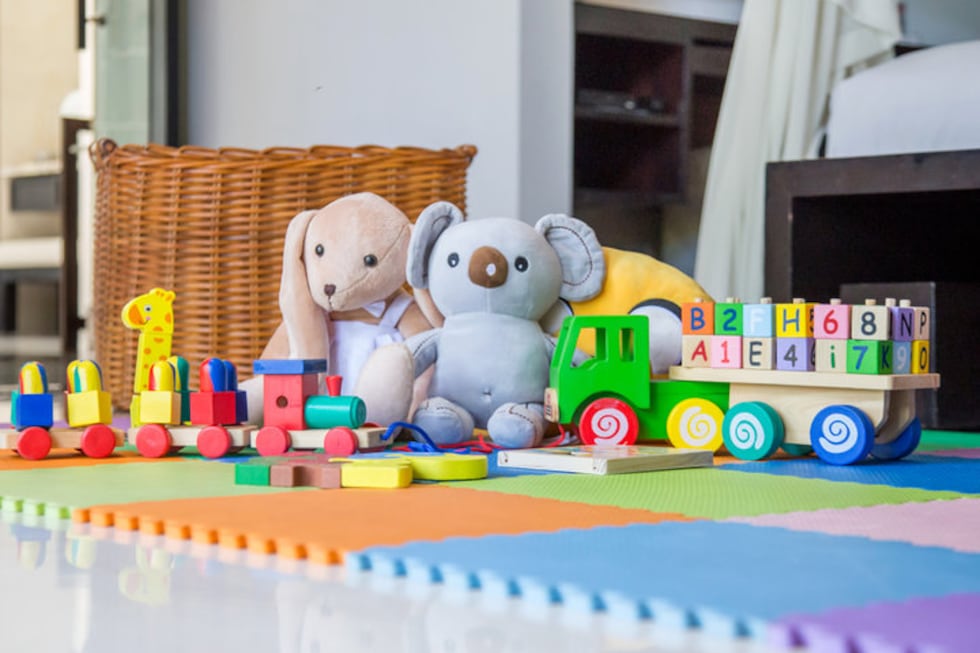
Health effects parents might see
Lead exposure isn’t always obvious, but it can cause serious, long-term harm. According to Jordan, parents might notice:
- Irritability
- Nausea
- Developmental delays
A key concern is that many of these effects cannot be reversed.
“These items, once ingested by the child, can cause some serious impacts to their health and their development over time,” Jordan said. “A lot of these issues that children experience cannot be reversed.”
That’s why early detection and prevention are so important.
How safe are “safe” toys?
The GAO has flagged problems with oversight and accuracy in testing, raising the possibility that some toys labeled as compliant or “safe” might still pose a risk.
So how worried should parents be?
Jordan is candid: There is always some level of risk, even with tested products.
“Everything is always a risk, even if it has been tested,” she said. “So as much prevention as we can have at the forefront of things, the better.”
In Georgia, when a child is found to have an elevated blood lead level, district lead coordinators—certified lead inspectors and risk assessors—are sent into the home. They look at everything a child might touch or play with, including toys.
Using an XRF device, they can test surfaces and objects on the spot.
“In the event we see a toy that a child is more so playing with, drawn to, our district lead coordinators make sure that they test that product with their device… It will let us know immediately if there is lead paint present in that surface, that toy, that item,” Jordan explained.
If they see peeling or deteriorating paint, inspectors are also trained to take dust wipe samples in those areas, since invisible dust can be a major source of lead exposure.
New rules at U.S. ports: A step forward, but not the whole solution
Beginning July 2026, importers will be required to electronically submit testing data at U.S. ports. The goal is to strengthen oversight before products ever reach store shelves.
Jordan said she sees this as a positive move.
“It’s definitely a step that I think is great to have in place,” she said. “It’s good to see what we have coming in, because [these products] are going to be on the shelves and parents are going to be drawn to buy and purchase these items for their kids.”
But she also pointed out a blind spot: Not all risky toys enter through formal retail channels.
Toys brought from overseas or less regulated sources
In many Georgia communities, particularly areas with larger populations of refugees and recent immigrants, families may have toys and household items that were:
- Purchased abroad, where regulations may be different
- Bought from facilities that aren’t as tightly regulated
- Handmade or hand-painted, often as cultural or religious items or souvenirs
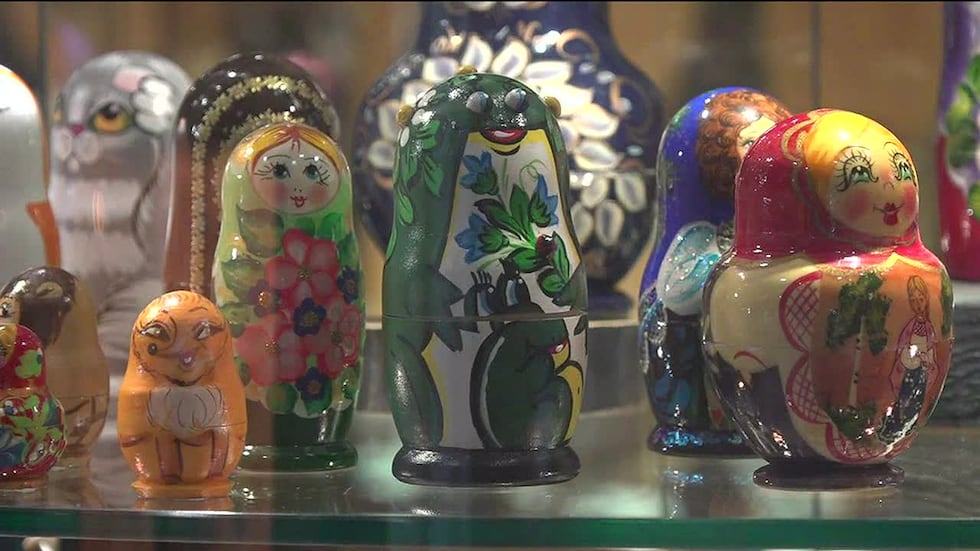
“A lot of these things are handmade, hand painted. We know that lead is used as a drying agent in paints. It makes things brighter,” Jordan noted. “So this is something to pay attention to as well.���
These items may never go through U.S. testing systems at all, which means port-based controls, while helpful, can’t catch everything.
Which children are most at risk?
When asked which communities are at higher risk for lead exposure from consumer products, Jordan’s first response is clear:
“My first answer to that is all children. If any child comes in contact with a product that contains lead, we are concerned about it.”
Practical steps parents can take right now
With national news about investigations and testing gaps, it’s easy for parents to feel overwhelmed or anxious. Jordan recommends focusing on simple, practical steps that make a real difference.
1. Keep up with your child’s well-check visits
Jordan calls this the most important, practical step:
“The most practical thing any parent can do is, again, stick to your child’s well-check visit schedule,” Jordan said.
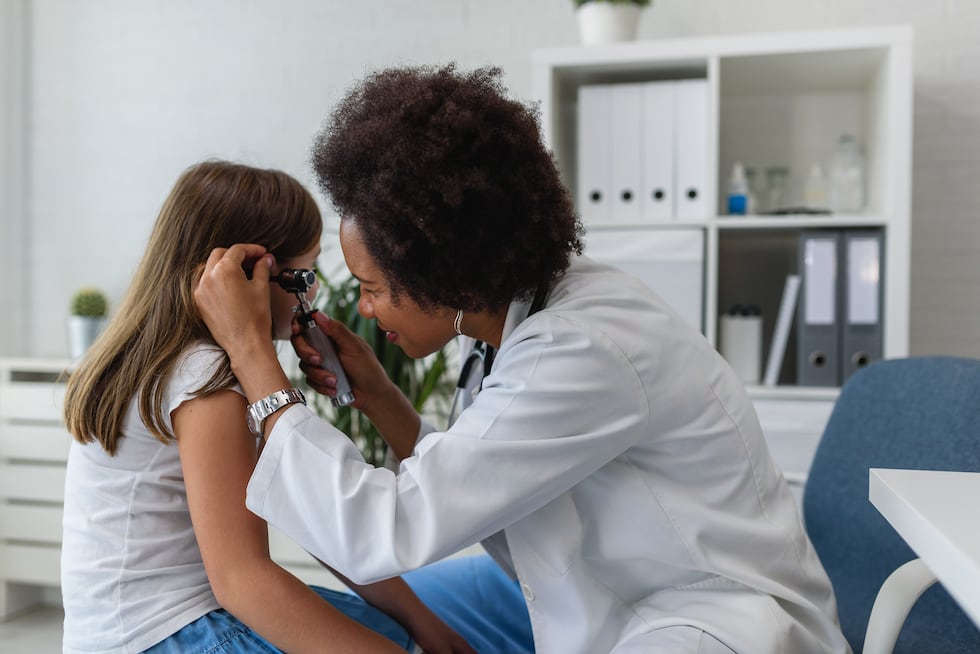
During these visits, pediatricians routinely offer screening for lead poisoning.
- It typically starts with a quick finger prick blood test.
- If the level is above a certain threshold, the doctor will order a more accurate blood draw from the child’s arm.
- If that test confirms an elevated blood lead level, public health teams can step in to investigate and help.
“That is the best way to stay ahead of the game and make sure that we’re being as preventable as possible when it comes to lead poisoning,” Jordan said.
2. Know when your home was built
Parents should also be aware of their home’s construction year.
- Homes built before 1978 are more likely to contain lead-based paint.
- If the paint is peeling, chipping, or deteriorating, children may ingest paint chips or inhale lead dust.
3. Watch for deteriorating paint on toys and surfaces
The same concerns apply to toys, furniture and other painted items:
- Look for cracking, flaking or worn paint on toys and objects your child frequently uses.
- Pay attention to items that are brightly colored, handmade or painted, especially if they were purchased overseas or from informal markets.
4. Prioritize handwashing and “wet cleaning”
It may sound simple, but good hygiene and cleaning habits go a long way.
“They are kids, they’re going to get dirty. They love to put their hands and mouths on things,” Jordan said.
She recommends:
- Regular handwashing, especially before meals and snacks and after play
- Paying attention to what children are mouthing or chewing
- Using wet cleaning methods—like damp mopping and wiping surfaces—instead of dry sweeping, which can spread dust into the air

If your home is older or you suspect lead dust:
- Do wet mopping on floors
- Use damp cloths to clean windowsills, baseboards and other surfaces where dust collects
5. Lean on local health department resources
Parents don’t have to figure this out alone.
“Our local health departments have a wealth of information and also individuals that are ready and willing to assist families who have some concerns about lead-based paint in their home.”
Local health departments can:
- Provide educational materials
- Explain testing and follow-up steps
- In some cases, coordinate home assessments or connect families with environmental specialists
The bottom line for Georgia families
Lead exposure is preventable, but it requires awareness and action.
- All children are potentially at risk if they come into contact with lead-containing products.
- Gaps in testing and oversight—especially for imported or handmade items—mean parents should be cautious about where toys and trinkets come from.
- The most effective protection is early detection through routine lead screening at well-check visits.
Other key steps—like watching for deteriorating paint, cleaning with wet methods, encouraging handwashing and using local health resources—can significantly reduce a child’s risk.
Have a news tip or see an error that needs correction? Let us know. Please include the article’s headline in your message.
To stay up to date on all the latest news as it develops, follow WALB on Facebook and X (Twitter). For more South Georgia news, download the WALB News app from the Apple Store or Google Play.
Copyright 2026 WALB. All rights reserved.
News Source : https://www.walb.com/2026/03/05/safety-alert-are-your-childs-toys-safe-what-georgia-parents-need-know-about-lead-exposure/
Other Related News
03/06/2026
CORDELE Ga WALB - Police are investigating an early morning shooting that left one man inj...
03/06/2026
WALB is working to produce a video for this story In the meantime we encourage you to watc...
03/06/2026
BROOKS COUNTY Ga WALB Authorities are searching for a suspect following a vehicle chase t...
03/06/2026
IRWIN COUNTY Ga WALB - A suspected methamphetamine trafficker with ties across South Centr...
03/06/2026
TODAY Another mild start with patchy fog Temperatures start in the lower 60s warm to near ...

Follow

Download Our App


Copyright 2022 © Albany Metro Community. All Rights Reserved